Car configurators are usually the slowest page on a car maker's site. They load a 3D model, a price engine and every option in every market before you have chosen a colour. Halden's old one took 7.4 seconds on a mid-range phone. One visitor in three left before it finished.
Start with the first tap
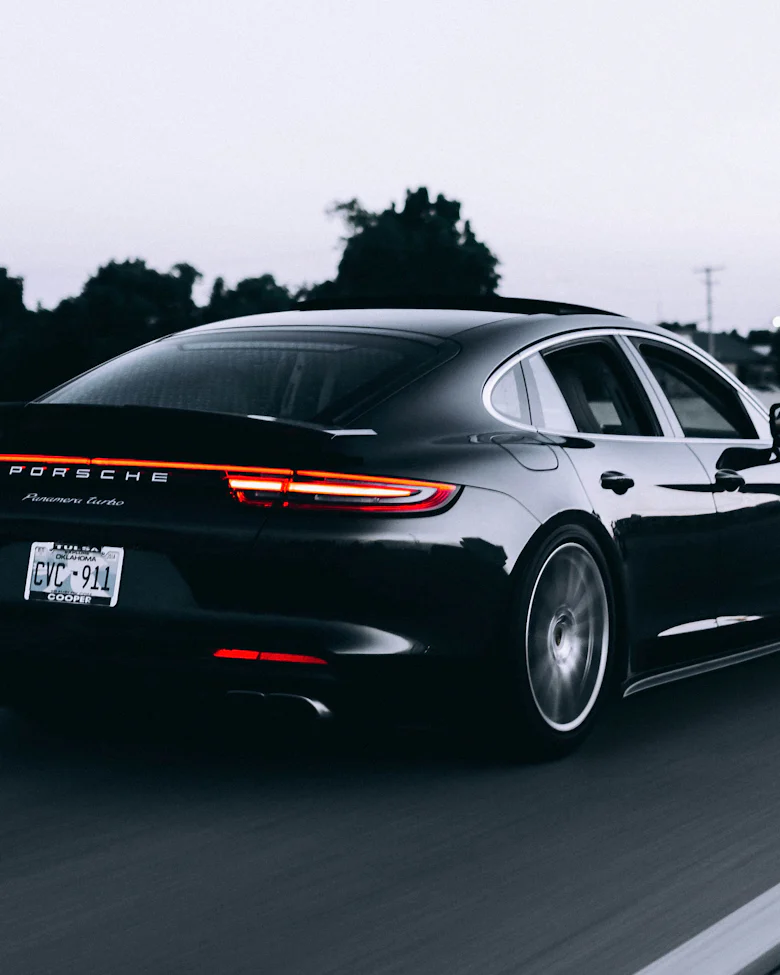
We stopped asking how to make the model load faster and asked what a person needs in the first second. The answer was one photo of the car in the launch colour, the price, and a row of paint swatches. So that is all the first response contains: 38 kilobytes of HTML and one image. Everything else waits.
The 3D view only starts loading when you touch the car. By then we know which trim you are looking at, so we fetch one model instead of nine.
The fastest code on launch night was the code we never sent.
Render the boring parts on the server
Prices, tax rules and option conflicts differ in all 19 markets. That logic used to run in the browser. We moved it to servers close to each market and send back plain HTML. The phone draws it. It doesn't compute it.
Keep a budget, in public
Every change shows what it adds to the first load. Over 60 kilobytes and it doesn't go in without a second engineer agreeing. It sounds strict. In practice it ended most arguments before they started.
On launch night the configurator opened in 0.8 seconds for the typical visitor, and 27,000 people reserved a car that week.
Sanne Visser is Engineering Lead in Amsterdam. Case study: Halden Motors